
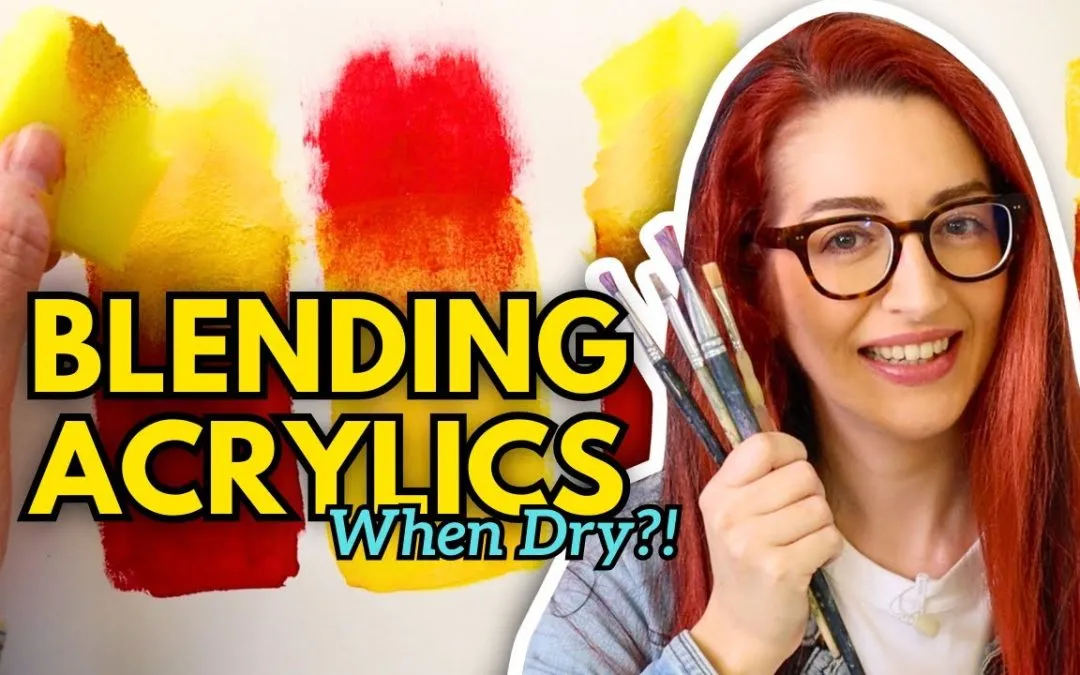
Blending acrylic paint can be a challenge, especially if the paint has already dried and left hard edges. Luckily, in this video, Jess explores 3 easy techniques to help you blend those dried areas and achieve that seamless, smooth finish. Even if the paint is still wet, these methods work just as well — giving you different results to experiment with!
Video Chapters
00:00 Introduction
00:24 Blending Acrylics with a Sponge
02:55 Blending Acrylics with Water
04:48 Blending Acrylics with a Dry Brush
06:33 Bonus! Blending Acrylics Wet in Wet
Why Blending Matters!
A smooth, even blend can make all the difference in the final appearance of your artwork. But acrylic paint dries quickly, sometimes leaving unwanted lines or harsh transitions between colours. Whether you’re looking to soften a dried area or improve wet-on-wet blending, it’s all about layering your paint correctly.

In this video, Jess demonstrates three methods you can use to blend acrylic paint — even after it has dried.
Blending with a Sponge
This technique is great for softening harsh lines and adding subtle transitions in your painting. The texture of the sponge helps create a natural-looking blend.
Blending with Water
Use this method to slightly rehydrate the dried paint and smooth out the transition between colours. Be careful with the amount of water you add, as too much could dilute your paint too heavily.
Blending with a Dry Brush
A dry brush can help you gently sweep over dried paint to soften lines. It gives you a more textured finish compared to a sponge or water method.
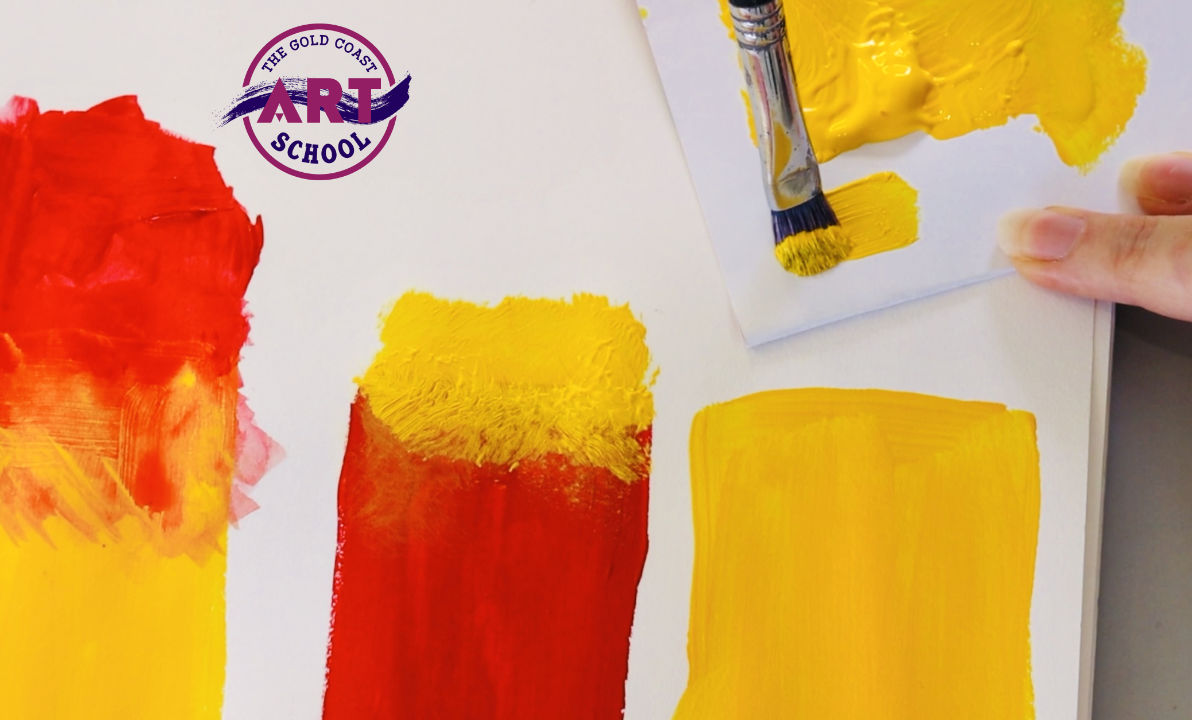
And as a bonus tip, we also cover blending wet-on-wet — perfect for achieving those dreamy, smooth transitions when your acrylic paint is still fresh!
Watch the full tutorial and see which technique works best for your project.