

Glazing is one of the most powerful techniques in oil painting. When used correctly, it allows artists to deepen colour, build atmosphere, subtly shift hues, and create luminous layers that simply can’t be achieved with opaque paint alone.
In this YouTube tutorial, Oil Painting Glazing Essentials: How To Use Colour Glazes, Stephen walks through the fundamentals of glazing with clear demonstrations, practical advice, and problem-solving tips for oil painters at all levels
What is a Colour Glaze in Oil Painting?
A glaze is a thin, transparent or semi-transparent layer of colour applied over a dry layer of paint. Rather than covering what’s underneath, a glaze allows light to pass through, revealing and enhancing the colours below.
Glazing can be used to:
- Change the colour of an image
- Deepen colour and add visual depth
- Increase transparency in oil paint
- Extend paint while maintaining colour intensity
Understanding how glazes behave and how to control them is essential for confident oil painting.
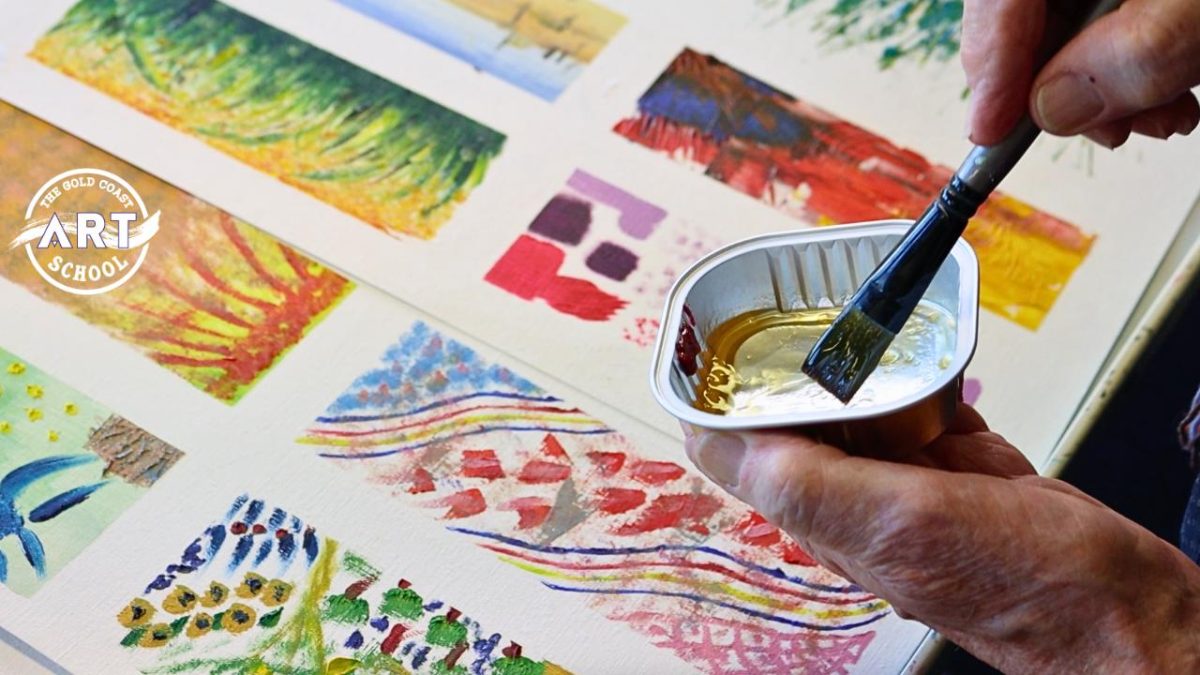
Colours to Use for Oil Painting Glazes
Not all oil paints are suitable for glazing. Transparent and semi-transparent colours work best, as they allow light to pass through and interact with underlying layers.
In the video, Stephen demonstrates glazes using:
Alizarin Crimson glaze
Phthalo Blue glaze
Indian Yellow glaze
Each colour behaves differently, and seeing them applied over a range of base colours helps clarify how glazing affects tone, temperature, and saturation.
» Learn more about the Opacity of Oil Paints in our blog post: Understanding the Opacity of Oil Paints
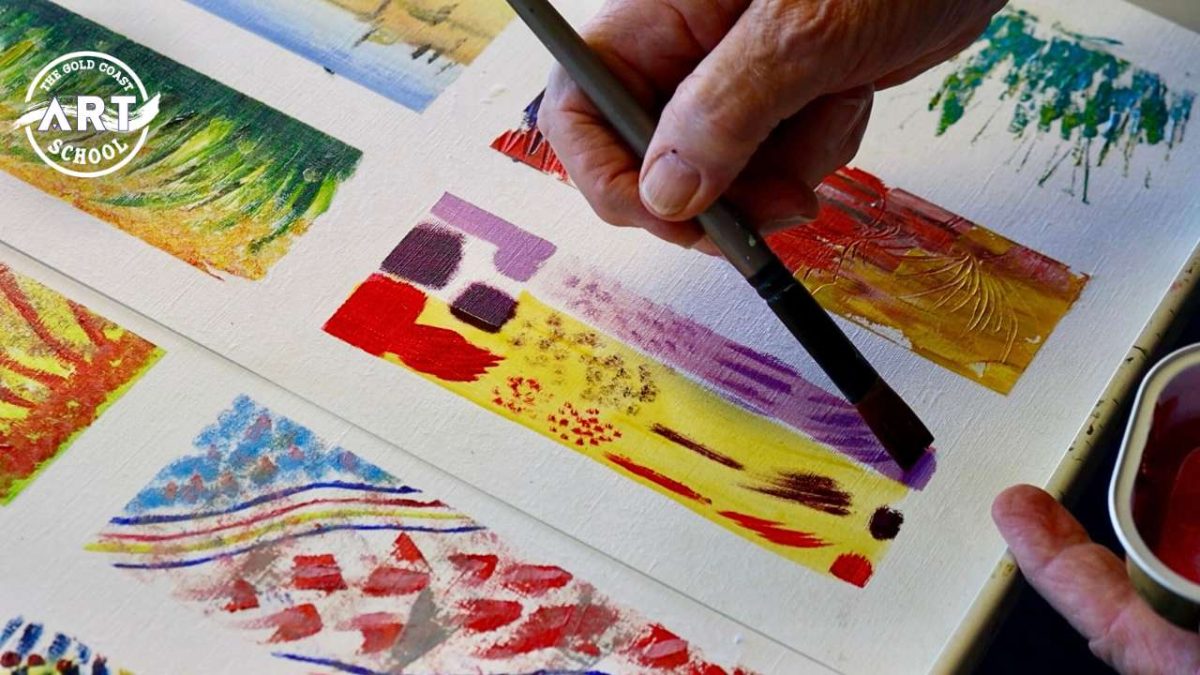
Best Brushes for Oil Painting Glazes
Brush choice plays a major role in glazing. Softer acrylic brushes generally work best, allowing the glaze to be applied evenly without disturbing the dry paint underneath.

Using Glazes on a Major Oil Painting
One of the highlights of this tutorial is seeing coloured glazes applied to a larger, more developed oil painting. This demonstrates how glazing fits into the broader painting process — not just as an isolated technique, but as a tool for refinement, adjustment, and problem-solving.
Stephen also discusses how to:
Fix glazing issues when things don’t go as planned
Rebalance colour if a glaze feels too strong
Use glazing to unify a painting

Oil Painting Glaze Mediums
Here at The Gold Coast Art School we use Liquol No. 4 by Art Spectrum, an Australian-made glazing medium that we recommend. While Liquol No. 4 is well suited to glazing, it’s important to note that other glazing mediums can also be used successfully.
Understanding how your chosen medium behaves is just as important as understanding colour.
Watch the Full Tutorial on Youtube
This in-depth tutorial is ideal for oil painters who want to improve their glazing technique, better understand colour transparency and build depth and luminosity in their paintings.