
If you’re new to oil painting, you might be wondering which solvents and mediums you actually need. What’s the difference between Liquol and linseed oil? What should you use to thin your paint? And what’s best for cleaning your brushes?
There are quite a few products available, and it can be confusing knowing what to use and when.
Here’s a simple guide to the oil painting solvents and mediums we use at The Gold Coast Art School, and what each one does.
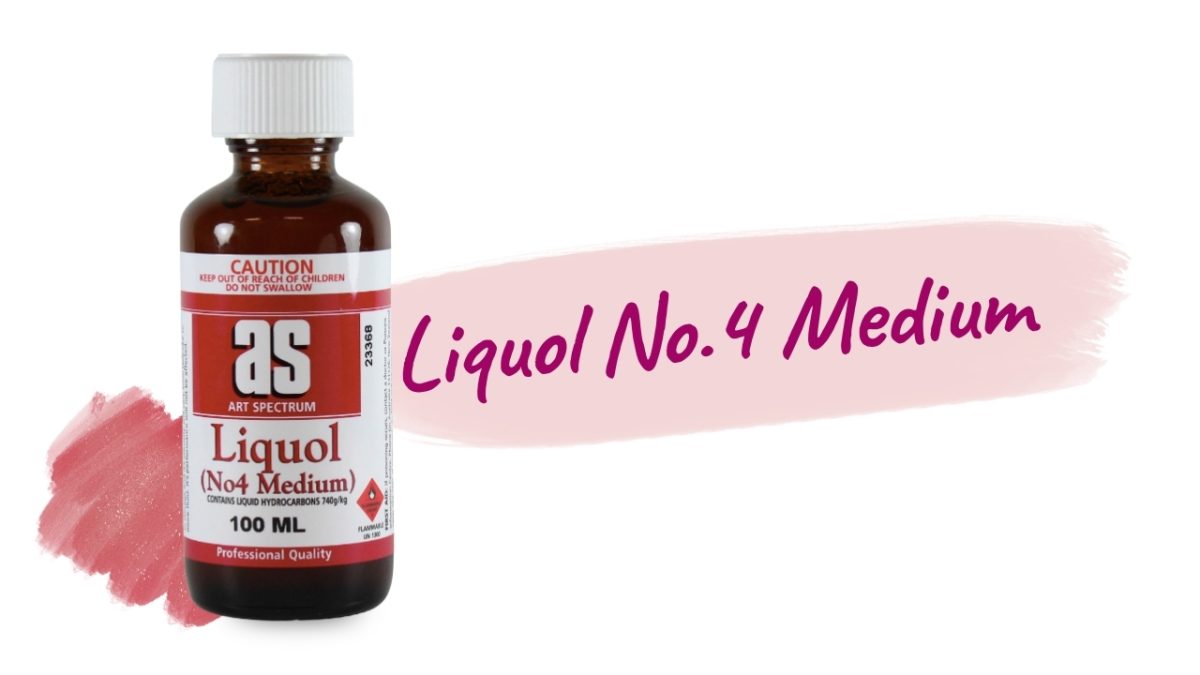
1. Liquol No.4 Medium
Want Your Oil Paint to Dry Faster?
Liquol is a quick-drying, transparent painting and glazing medium that helps paint flow smoothly.
Art Spectrum Liquol (Painting Medium No. 4) is a medium that’s particularly useful when you want to build up multiple layers of oil paint.
Why use Liquol?
- It’s a quick-drying painting and glazing medium.
- It’s great for multiple glazes, adding depth and subtlety to your colours.
- Paint mixed with Liquol will often dry within 24 hours, depending on the paint, thickness and conditions.
- It can be used for wet-on-wet painting or allowed to dry before adding another layer.
Mix Liquol thoroughly with your oil paint on the palette before applying it to your canvas.
One of the biggest advantages of Liquol is that you don’t have to wait several days between painting sessions before working on your next layer.
Watch Stephen Demonstrate How to Use Liquol
Want to see Liquol in action? In this tutorial, Stephen explains what Liquol is, shows you how to mix it with oil paint and demonstrates how to apply transparent colour glazes over an oil painting.
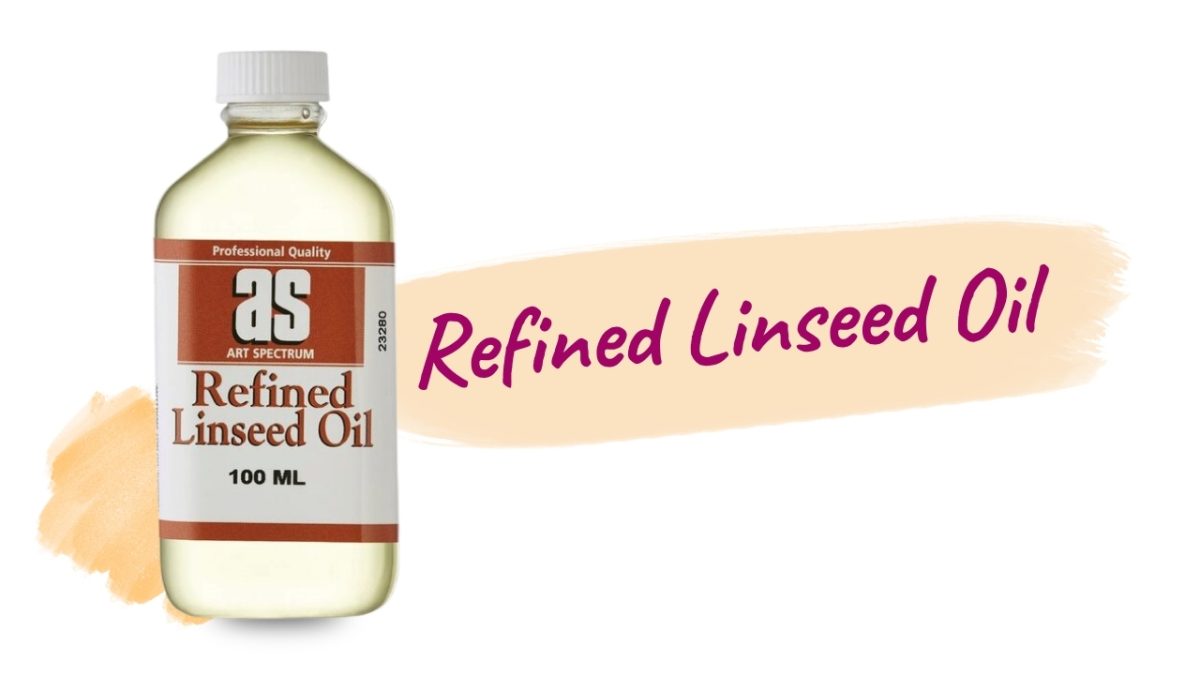
2. Refined Linseed Oil
Want smoother, More Workable Paint?
Linseed oil is a traditional oil painting medium that improves the flow of your paint, making it easier to spread and blend colours.
It’s particularly useful when you want more time to work with your paint before it dries.
Why use linseed oil?
- It improves the flow of oil paint.
- It adds gloss and richness to your colours.
- It generally slows drying compared with fast-drying mediums.
- It’s great for blending colours and working wet-on-wet.
Linseed oil is useful when you want to make smooth transitions between colours or have more time to work on your painting.
Tip: Start with a small amount. A little goes a long way! Adding too much oil can affect how your paint handles and dries.
Learn How to Make Your Own Oil Painting Medium
Did you know you can make your own oil painting medium? In this tutorial, Stephen explains how to use linseed oil to prepare a homemade painting medium and shares a money-saving alternative to buying ready-made products.
Watch the video below to learn more about oil painting mediums and how they’re used.
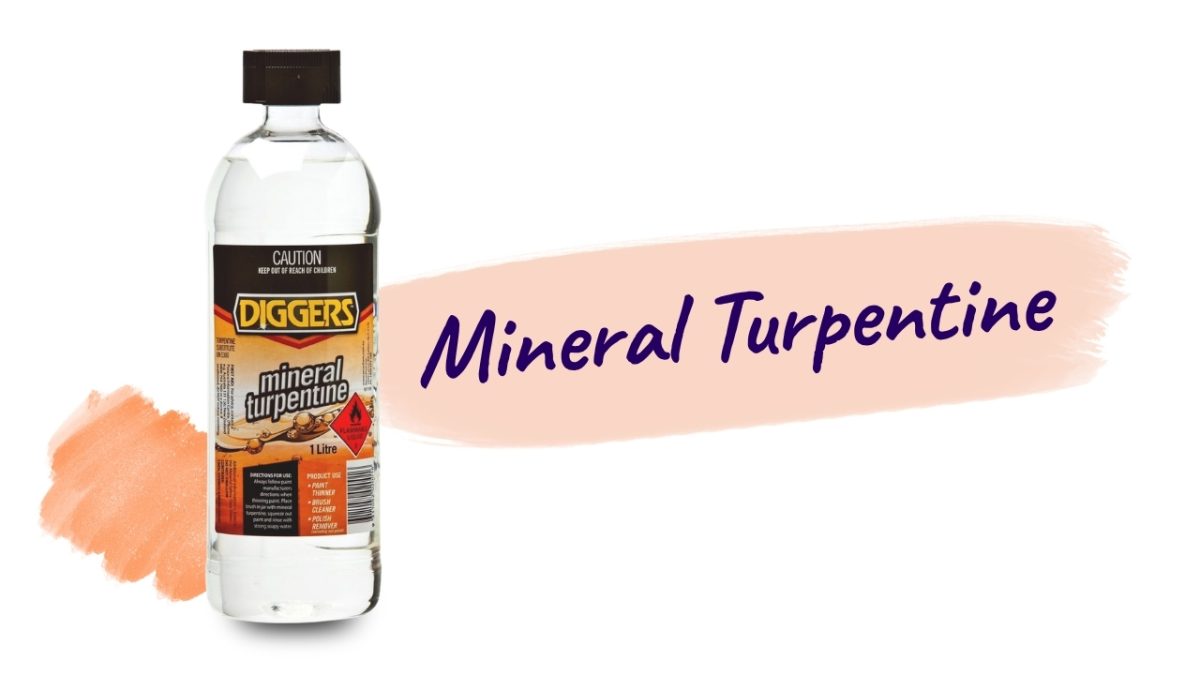
3. Mineral Turpentine
This One’s for Cleaning Your Brushes!
Mineral turpentine is a solvent that we use at our school to clean our oil painting brushes.
Oil paint can’t simply be washed away with water, so it’s important to clean your brushes properly after a painting session.
Why use mineral turpentine?
- It’s used to remove oil paint from brushes after painting.
- It’s effective at cleaning paint and build-up from your brushes.
- It’s a practical option for cleaning your equipment.
We don’t recommend using hardware-store mineral turpentine as a painting medium, as it isn’t manufactured specifically for fine-art painting.
After removing excess paint and cleaning your brushes with mineral turpentine, wash them with suitable brush soap and allow them to dry.
4. Gum Turpentine
Need to Thin Your Oil Paint?
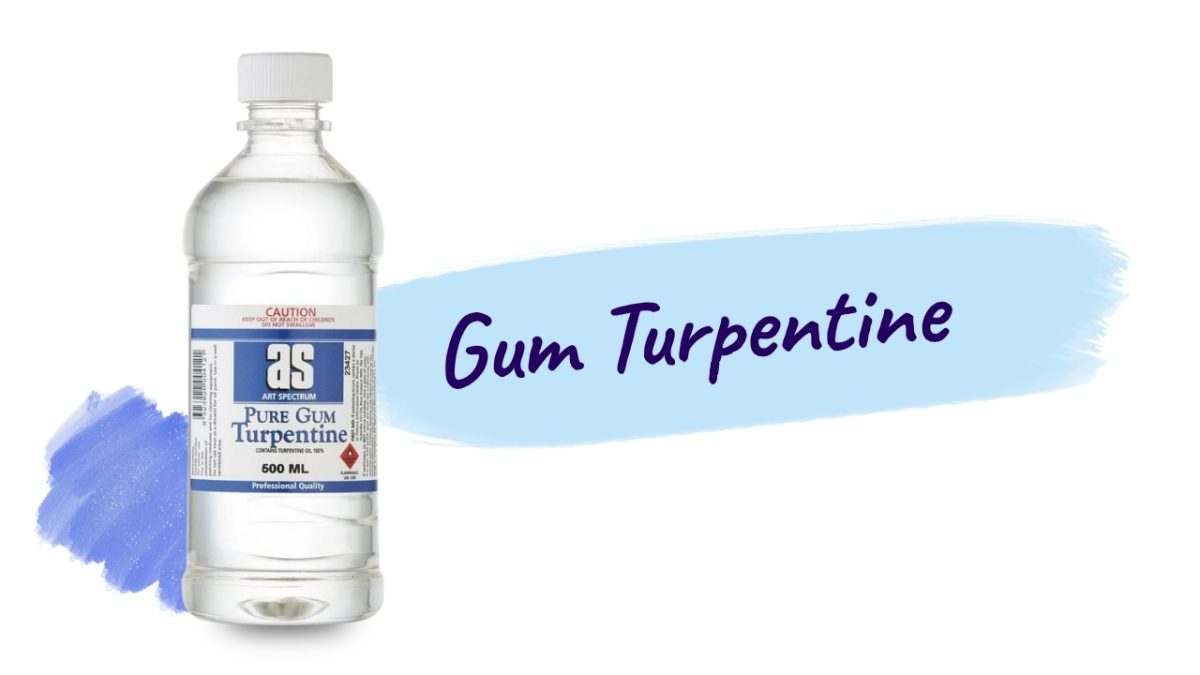
Pure gum turpentine is a traditional artist’s solvent used to thin oil paint.
Unlike linseed oil, which adds oil to your paint, gum turpentine evaporates as the paint dries.
Why use gum turpentine?
- It’s used to thin oil paint.
- It’s useful for creating lean initial layers.
- It doesn’t add oil to your paint like linseed oil does.
- It evaporates from the paint film as the paint dries.
Gum turpentine can be particularly useful during the early stages of a painting when you’re blocking in shapes and establishing your composition.
Only use small amounts when thinning paint, as too much solvent can weaken the paint film.
Gum Turpentine vs Mineral Turpentine – What’s the Difference?
Still unsure which solvent to use? In this tutorial, Stephen explains the differences between gum turpentine and mineral turpentine, discusses Liquol and introduces an odourless solvent alternative.
What’s the Difference Between Oil Painting Solvents and Mediums?
The easiest way to remember the difference is that mediums change how your paint behaves, while solvents are primarily used to thin paint or clean equipment.
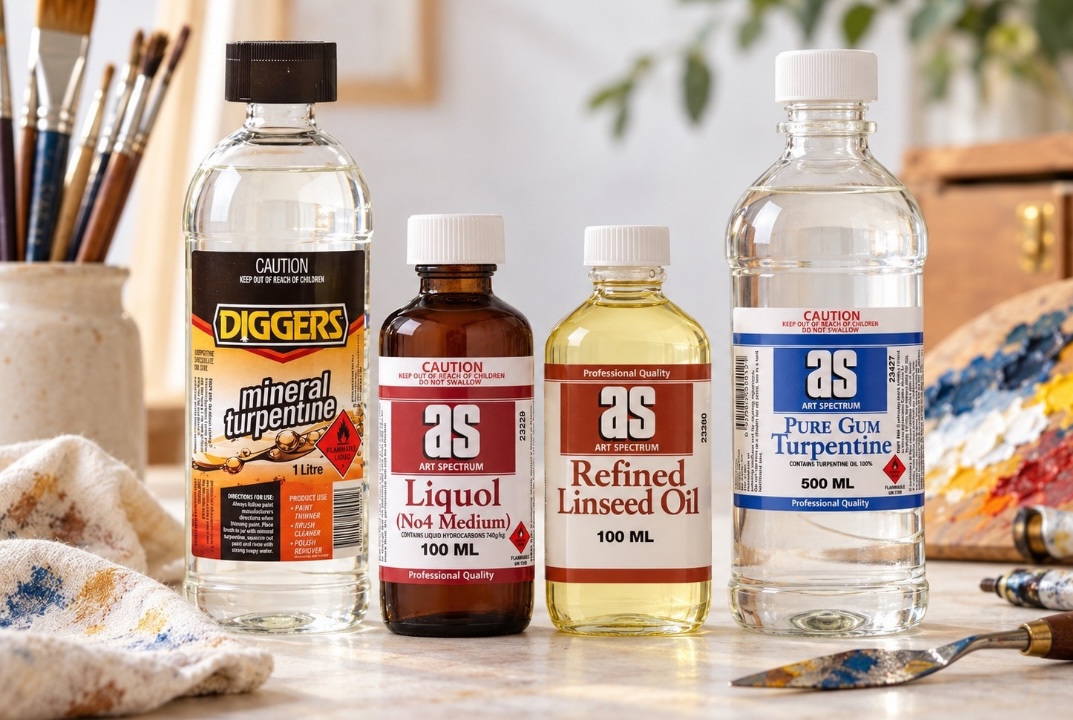
Here’s a quick summary of the products we use at The Gold Coast Art School:
| Liquol Medium | Helps oil paint dry faster, improves flow and is great for glazing. |
| Linseed Oil | Improves flow, adds gloss and gives you more working time compared with fast-drying mediums. |
| Mineral Turpentine | Used for cleaning oil paint from brushes and equipment. |
| Gum Turpentine | Used to thin oil paint, particularly for lean initial layers. |
Want to Learn More About Oil Painting?
At The Gold Coast Art School, we teach beginners how to use oil paints, mediums and solvents, along with practical painting techniques, colour mixing and much more.
We also share free painting tutorials on our YouTube channel, where you can pick up useful tips to improve your painting skills.
Or, if you’d prefer to learn in person, explore our Art Courses and Casual Art Classes.